
Health Physics and Diagnostic Sciences
Rigorous classroom instruction aided by computer and multimedia instruction, practical laboratory and clinical experiences, and student mentoring, prepare top professionals.

Academic Programs
Students within the Department of Health Physics and Diagnostic Sciences may pursue certificate, minor, bachelor, and graduate degrees in the areas of health physics, comprehensive medical imaging, and radiography.
Upcoming Events
Upcoming Thesis/Dissertations
What's Happening
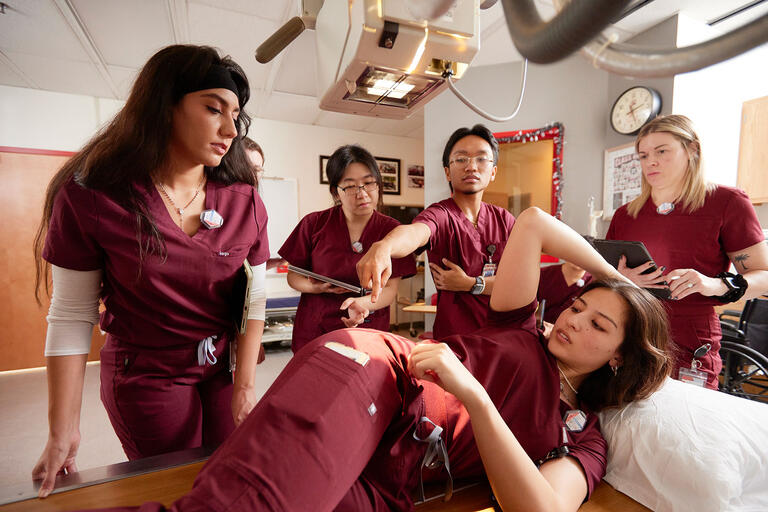
As future frontline health care workers, UNLV radiography students spend a year learning how to properly position a patient for imaging.
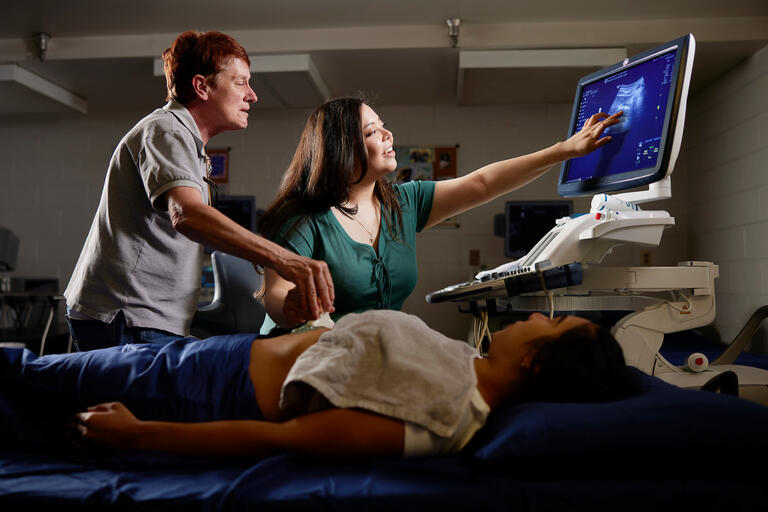
With her clinical contacts and student focus, Melinda Bechtel built the ultrasound degree program into a career launching pad.
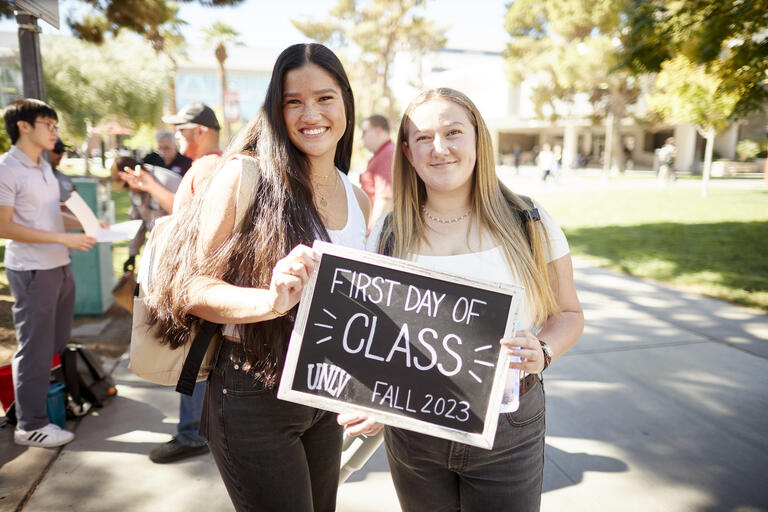
A roundup of prominent news stories highlighting university pride, research, and community collaboration.
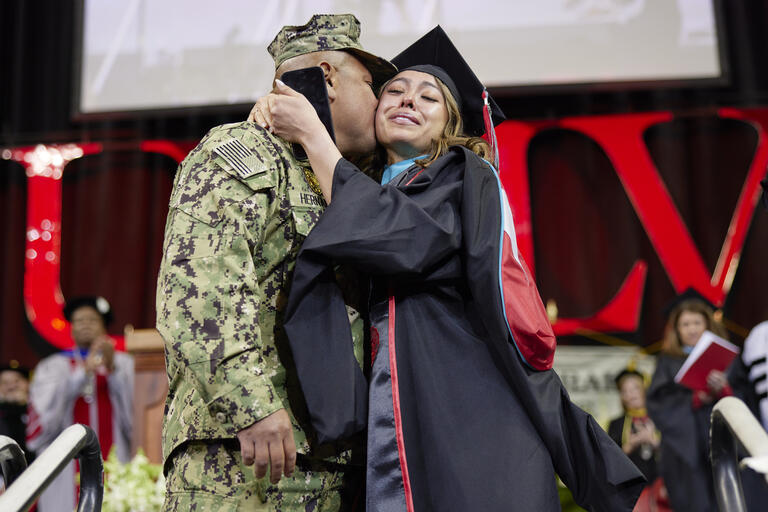
News stories from the summer featuring UNLV students and faculty.
Announcements
Experts
- Chair, Health Physics and Diagnostic Sciences Department
- Director, Radiography Program
- Professor, Department of Health Physics and Diagnostic Sciences